Researchers ordering synthetic DNA face a fundamental decision: should you order gene fragments (linear double-stranded DNA) for self-assembly, or a full-length gene synthesis service where the provider handles cloning, sequence verification, and delivery in a vector?
The answer depends on your construct length, downstream workflow, timeline, and budget. This guide compares both approaches using Dynegene's actual product specifications, explains the DGS 2.0 synthesis platform that powers both services, and provides a practical decision framework.
What Are Gene Fragments?
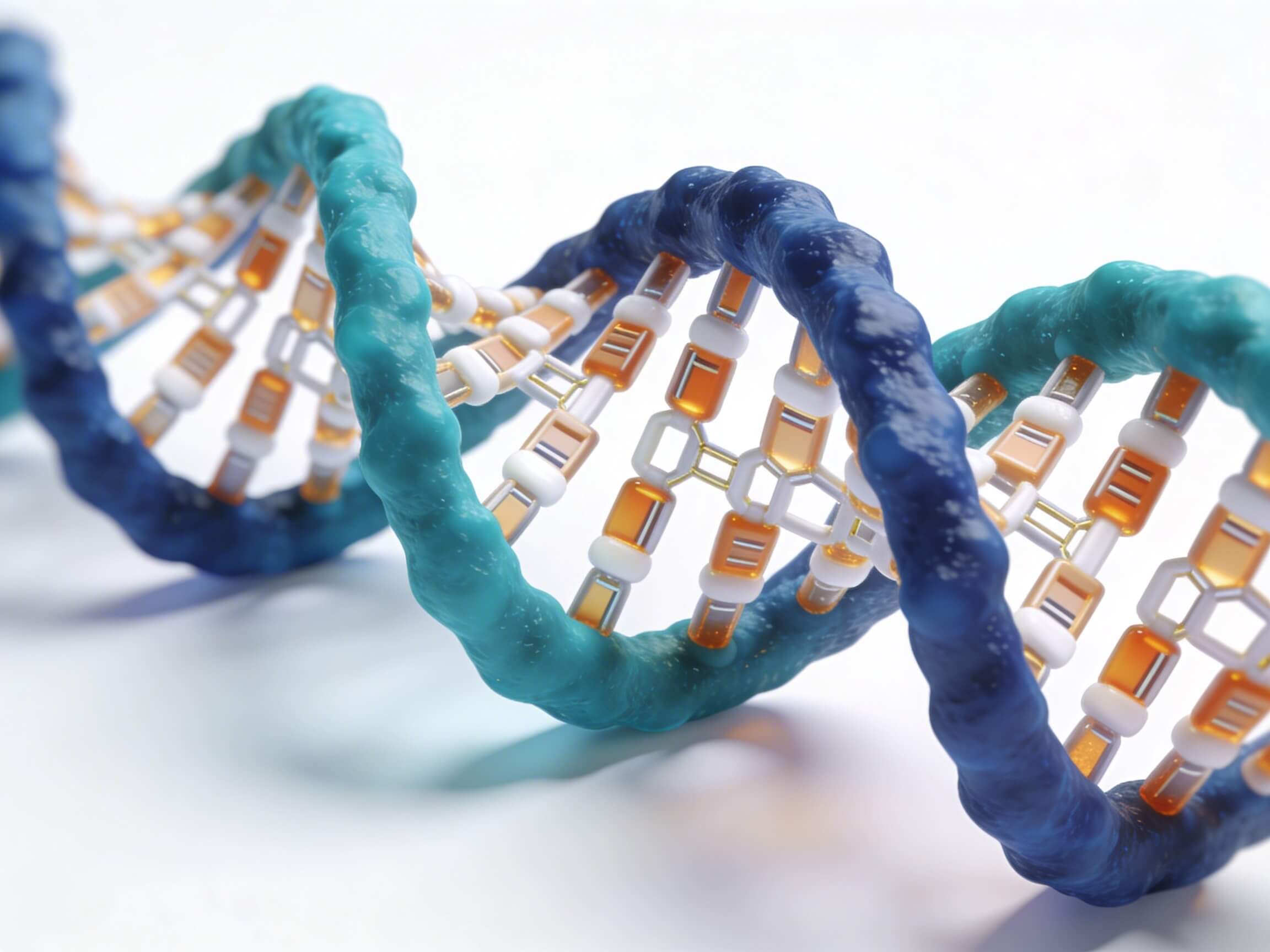
Gene fragments are linear, double-stranded DNA sequences synthesized chemically and delivered as purified dsDNA. They are the building blocks for gene assembly — researchers use methods like Gibson Assembly, Golden Gate, or In-Fusion cloning to join multiple fragments into a complete gene construct.
Dynegene Gene Fragment Specifications
From the Gene Synthesis product page:
| Parameter |
Specification |
| Fragment length |
Up to several kilobases |
| Delivery format |
Lyophilized dsDNA or in solution |
| Complexity handling |
High GC, repeats, secondary structures |
| Codon optimization |
Available (optional service) |
What Is Full-Length Gene Synthesis?
Full-length gene synthesis is an end-to-end service where Dynegene synthesizes your target gene, clones it into a specified vector, transforms it into competent cells, selects positive clones, confirms the sequence by Sanger sequencing, and delivers culture or purified plasmid DNA.
Dynegene Gene Cloning Specifications
From the Gene Cloning product page:
| Parameter |
Specification |
| Delivery format |
Plasmid DNA in vector of choice |
| Sequence verification |
100% Sanger-confirmed |
| Vector options |
Standard vectors or customer-supplied |
| Subcloning |
Available as additional service |
Both gene fragments and full-length gene synthesis are powered by Dynegene's proprietary DGS 2.0 (Dynegene Gene Synthesis 2.0) platform, which features three core innovations:
1. Ultra-Long Primer Synthesis (Up to 500 nt)
Conventional gene synthesis platforms use primers of 40–60 nt, requiring many assembly steps and junctions — each of which is a potential error source. The DGS 2.0 platform synthesizes primers up to 500 nucleotides in length, dramatically reducing the number of assembly junctions needed to build a complete gene.
2. Cost-Effective pmol-Level Synthesis
The platform operates at picomole (pmol) synthesis scale, using Dynegene's high-throughput cluster primer synthesis technology to reduce reagent consumption while maintaining high yield. This pmol-level approach enables competitive pricing for both short fragments and long genes.
3. HiFi Assembly with 98% Accuracy
The DGS 2.0 platform integrates proprietary HiFi (High-Fidelity) assembly technology that achieves 98% assembly accuracy. This high-fidelity assembly, combined with the fewer junctions needed from ultra-long primers, results in fewer cloning attempts to identify a correct full-length clone.
Gene Fragments vs Gene Cloning: Side-by-Side Comparison
| Factor |
Gene Fragments |
Gene Cloning (Full Service) |
| What you receive |
Linear dsDNA fragments |
Sequence-verified plasmid |
| Assembly required? |
Yes (you assemble) |
No (Dynegene assembles + clones) |
| Turnaround |
Faster |
Slightly longer (includes cloning) |
| Cost per construct |
Lower material cost |
Higher (includes labor) |
| Total project cost |
Depends on in-house labor |
All-inclusive |
| Sequence verification |
— |
100% Sanger (full insert) |
| Best for |
Experienced labs with cloning capacity |
Labs wanting ready-to-use constructs |
Choosing Gene Fragments When:
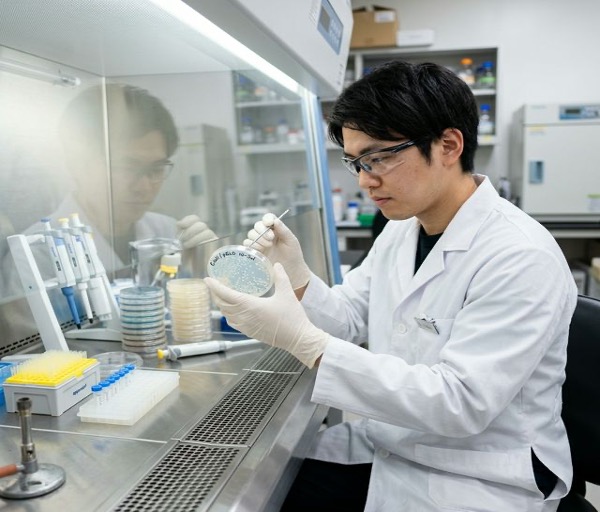
- You have in-house cloning expertise — Your team routinely performs Gibson or Golden Gate assembly and has validated protocols
- You need maximum flexibility — You want to combine fragments with other DNA components (e.g., promoters, terminators, tags) in custom configurations
- Speed is critical — Gene fragments can be delivered faster than full cloning service
- Budget optimization — You have the labor capacity to assemble fragments yourself at lower material cost
- Multi-construct projects — Building many construct variants from a shared set of fragments (combinatorial assembly)
Choosing Full-Length Gene Cloning When:
- You need a ready-to-use plasmid — No time or capacity for in-house cloning
- Complex sequences — High GC content, repetitive elements, or secondary structures that make assembly challenging
- Regulatory requirements — Applications requiring fully validated, sequence-verified constructs (e.g., therapeutic gene manufacturing)
- Long constructs — Very long genes where multi-fragment assembly success rates drop
- Codon-optimized constructs — Dynegene offers codon optimization + synthesis + cloning as a combined service
Seamless Cloning Kits for Self-Assembly
For researchers who order gene fragments and want to assemble them in-house, Dynegene offers a family of seamless cloning kits:
These kits enable efficient multi-fragment assembly of gene fragments into any linearized vector, complementing Dynegene's fragment synthesis service.
About Dynegene's Synthesis Capabilities
Dynegene (Shanghai Dynegene Technologies) is a leading DNA synthesis company founded in Shanghai, combining the proprietary DYHOW high-throughput oligo synthesis platform with the DGS 2.0 gene assembly platform. The company's core technology — 3D inkjet printing combined with semiconductor chip synthesis — enables both high-throughput oligo pool manufacturing and precision gene construction.
For published research citing Dynegene synthesis services, visit the Citations page.
Frequently Asked Questions
What makes Dynegene's DGS 2.0 gene synthesis platform different?
The DGS 2.0 platform uses ultra-long primers up to 500 nt (vs. conventional 40–60 nt), reducing assembly junctions and error sources. Combined with pmol-level synthesis for cost efficiency and HiFi assembly technology achieving 98% accuracy, the platform delivers higher first-pass success rates for both gene fragments and full-length gene cloning. This technology is detailed on the Gene Synthesis product page.
When should I order gene fragments vs full-length gene synthesis?
Order gene fragments if you have in-house cloning capacity, need combinatorial assembly flexibility, or want faster turnaround at lower material cost. Order full-length gene synthesis (cloning service) if you need a sequence-verified, ready-to-use plasmid, are working with complex sequences, or lack cloning capacity. Dynegene's Gene Cloning service includes synthesis, assembly, cloning, colony screening, sequence verification, and plasmid delivery.
Does Dynegene offer codon optimization?
Yes. Codon optimization is available as an optional service for both gene fragments and full-length gene synthesis. This is especially valuable for expressing genes in heterologous host systems (e.g., expressing human genes in E. coli, or mammalian genes in yeast). Codon optimization is included in the service options listed on the Gene Synthesis ordering page.


 NGSHybridization Capture Probe NGS custom probes MRD custom probes QuarStar Human MethylCap Panel QuarStar Liquid Pan-Cancer Panel 3.0 QuarStar Pan-Cancer Lite Panel 3.0 QuarStar Pan-Cancer Fusion Panel 1.0 QuarStar Pan Cancer Panel 1.0 QuarStar Pan-Cancer Panel 1000-Gene QuarStar HLA Panel QuarXeq HRD panel QuarXeq Mitochondrial Probes Whole Exome Sequencing Probes QuarStar Human All Exon Probes 4.0 (Heredity) QuarStar Human All Exon Probes 4.0 (Tumor) QuarStar Human All Exon Probes 4.0 (Standard) QuarXeq Human All Exon Probes 1.0 (RNA) QuarXeq Human All Exon Probes 3.0 (RNA) Library Preparation DNA Library Preparation Kit Fragmentation Reagent mRNA Capture Kit rRNA Depletion Kit QuarPro Superfast T4 DNA Ligase Dynegene Adapter Family Hybridization Capture QuarHyb Super DNA Reagent Kit QuarHyb DNA Plus3 Reagent Kit QuarHyb DNA Reagent Kit Plus QuarHyb One Reagent Kit QuarHyb Super Reagent Kit Pro Dynegene Blocker Family QuarHyb DNA Reagent Kit Pro(Methyl) Multiplex PCR QuarMultiple BRCA Amplicon QuarMultiple PCR Capture Kit 2.0 PathoSeq 450 Pathogen Library Corollary Reagent Streptavidin magnetic beads Equipment and Software The iQuars50 NGS Prep System
 Primers and Probes
 RNA SynthesissgRNA miRNA siRNA
 Gene
Gene Oligo Pools
 CRISPR sgRNA Library
 Antibody Library
 Variant Library




 Tel: 400-017-9077
 Address: Floor 2, Building 5, No. 248 Guanghua Road, Minhang District, Shanghai
 Email:
 Tel: 400-017-9077
 Address: Floor 2, Building 5, No. 248 Guanghua Road, Minhang District, Shanghai
 Email: